
Restaurant Warming Use Cases
Commercial use cases
Find the service moment where warmth changes the guest experience.
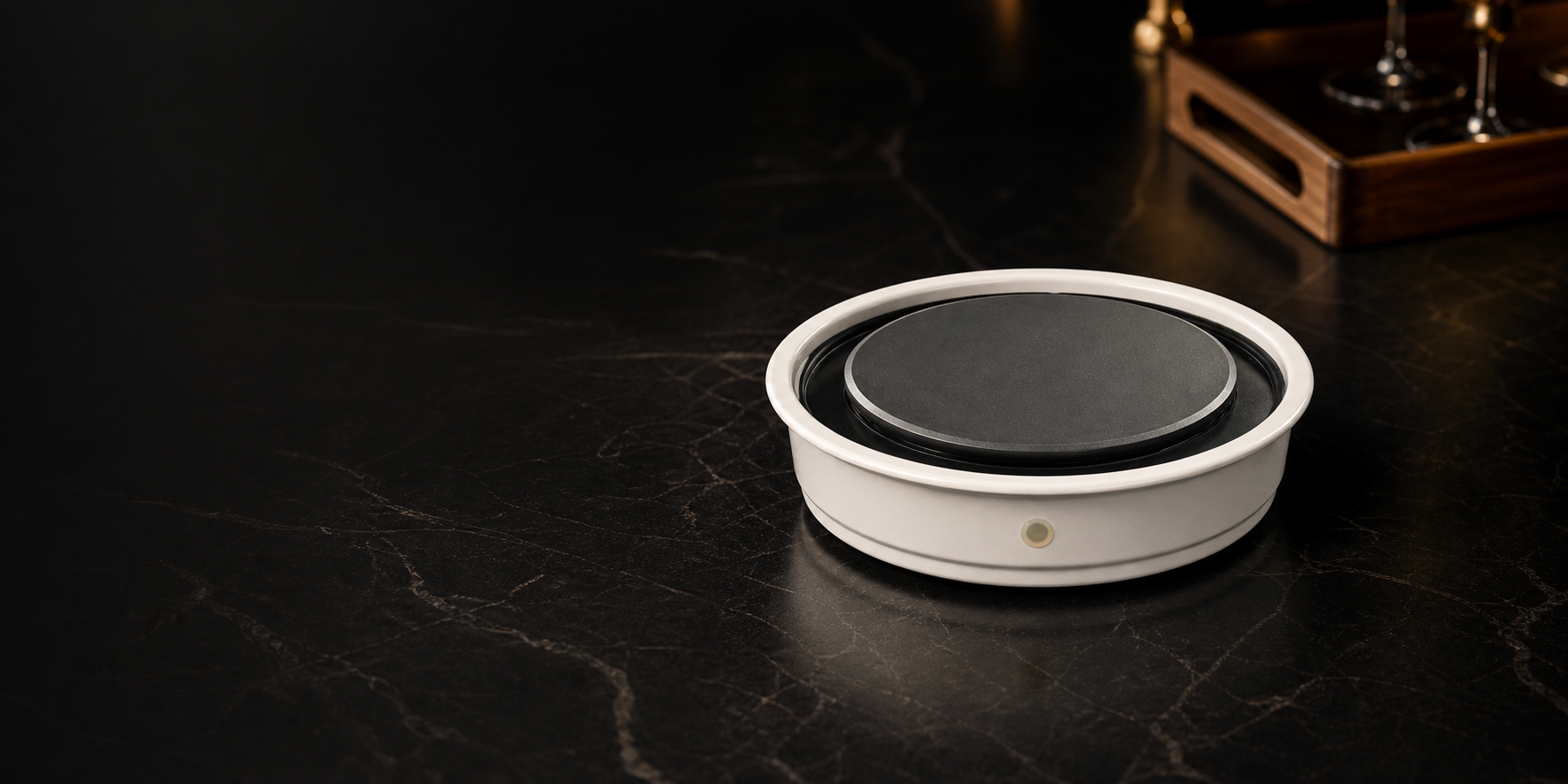
Insta Hot Plate is strongest when a dish, drink, or serving station loses appeal because it cools before guests are done. It helps the service team keep the warm moment closer to the guest without open flame, fuel cans, or cords across the table.
Start with the service moment that already matters: a catered buffet station, a shared plate at the table, a hotel breakfast counter, or a beverage service where presentation and warmth both shape the guest experience.
Buyer priority
Choose the path that matches how you serve.
The best first test is a real service station: the same dish, vessel, layout, and staff workflow you would use with guests. If that station works, it becomes easier to plan quantities, frames, backups, and quote needs.
Full-service restaurants
Hotels and hospitality
Beverage and tasting rooms
Future home use
1. Catering, buffet, and events
Build clean warm stations for catered service.
Catering teams often need warmth in places where outlets, cords, and open flame do not fit the room. Insta Hot Plate lets staff charge in a managed area, then place the heated station where guests actually serve.
Strong examples include office catering, corporate events, wedding buffets, private parties, cultural events, sports events, outdoor service, and temporary stations where a polished no-flame setup matters.
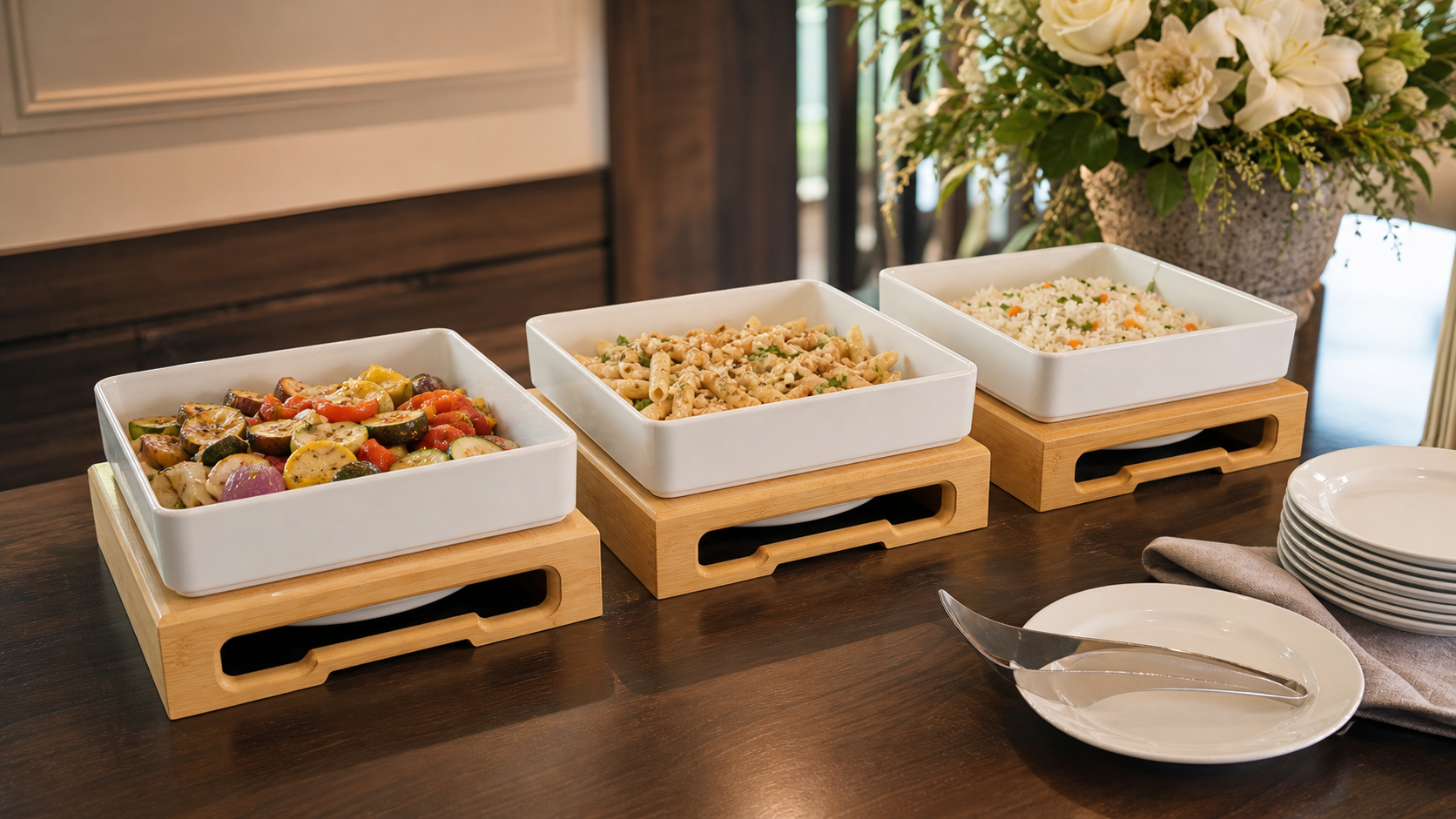
Corporate and office catering
Repeatable warm stations
Use warm stations for recurring lunches, catered meetings, staff meals, and office events where the same operator may need a repeatable setup across many services.
Weddings and social events
Better presentation without flame
Support buffet sides, sauces, appetizers, and private-event dishes without making the guest-facing table look like a utility setup.
Temporary service stations
Plan charging away from guests
For outdoor or no-outlet layouts, keep charging in a staff area or suitable power-station setup, then move only the heated plate into service.
2. Full-service restaurants
Keep shared plates enjoyable until guests are done.
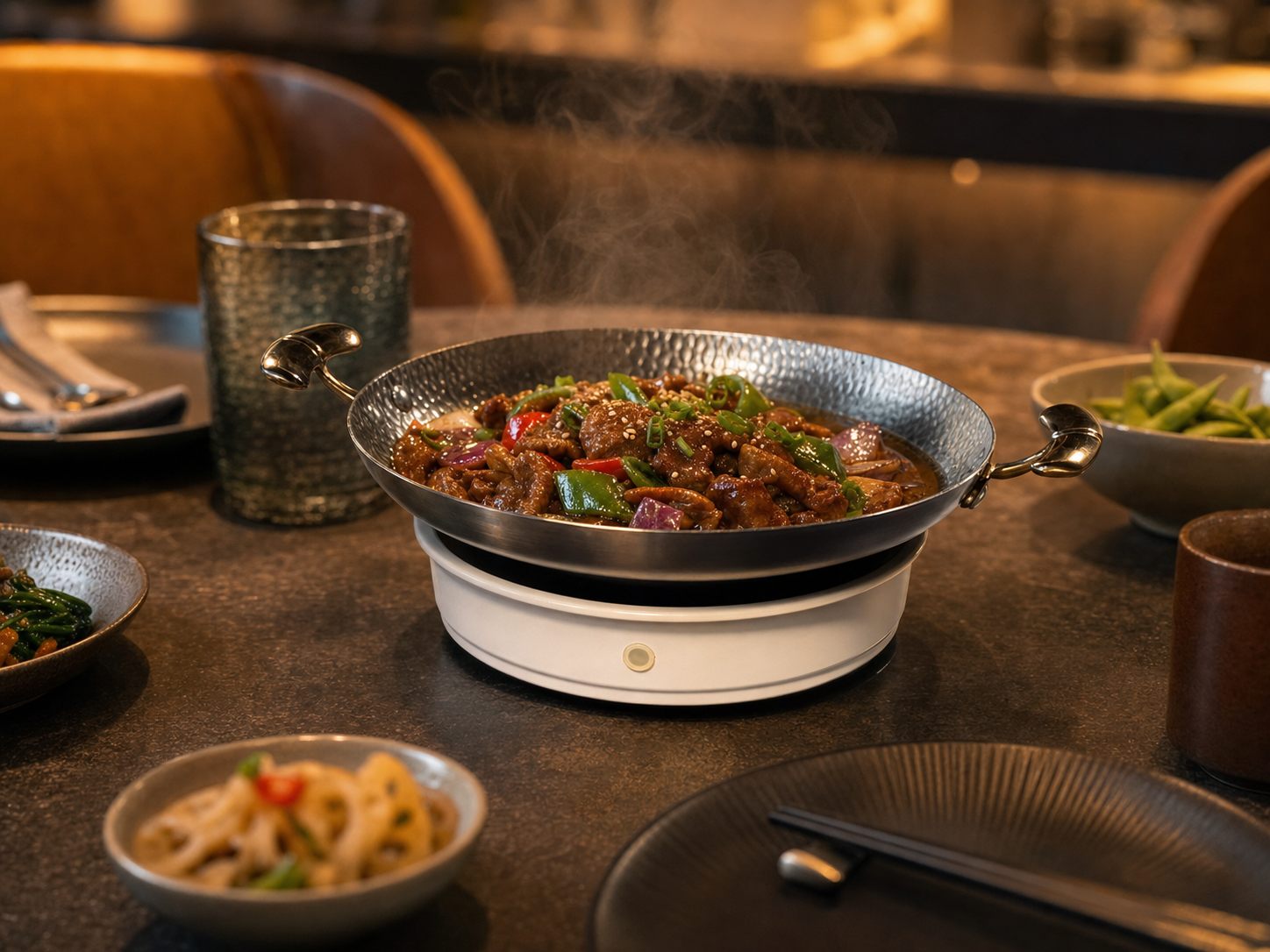
The best restaurant fits are dine-in concepts where guests linger over shared food, sides, sauces, dips, drinks, or premium table moments. Start with the dish that cools too quickly today.
Strong examples include casual or upscale American restaurants, steakhouses, grills, Mexican or Tex-Mex full-service restaurants, tapas, izakayas, wine bars, and other small-plate concepts.
Steakhouse, grill, and casual dining
Sides and shared starters
Support skillets, sides, fries, dips, appetizers, and premium plates where a few extra warm minutes can change how the table feels.
Mexican and Tex-Mex dine-in
Fajitas, queso, tortillas, and dips
Focus on full-service dine-in restaurants where shared warm dishes are part of the meal, not takeout-heavy formats where table warmth matters less.
Small plates and private rooms
Tapas, izakaya, wine bar, banquet
Also consider full-service Chinese banquet rooms, hot pot, dim sum, private rooms, and family-style dine-in restaurants where guests stay, share, and notice the service detail.
3. Hotels and hospitality
Make breakfast, banquets, and private rooms feel cared for.
Hotels and hospitality operators can use warm stations repeatedly across breakfast, lounges, meeting rooms, banquets, private rooms, and VIP service.
The value is consistency and presentation: guests see a clean, intentional warm station while staff manage charging away from the service point.
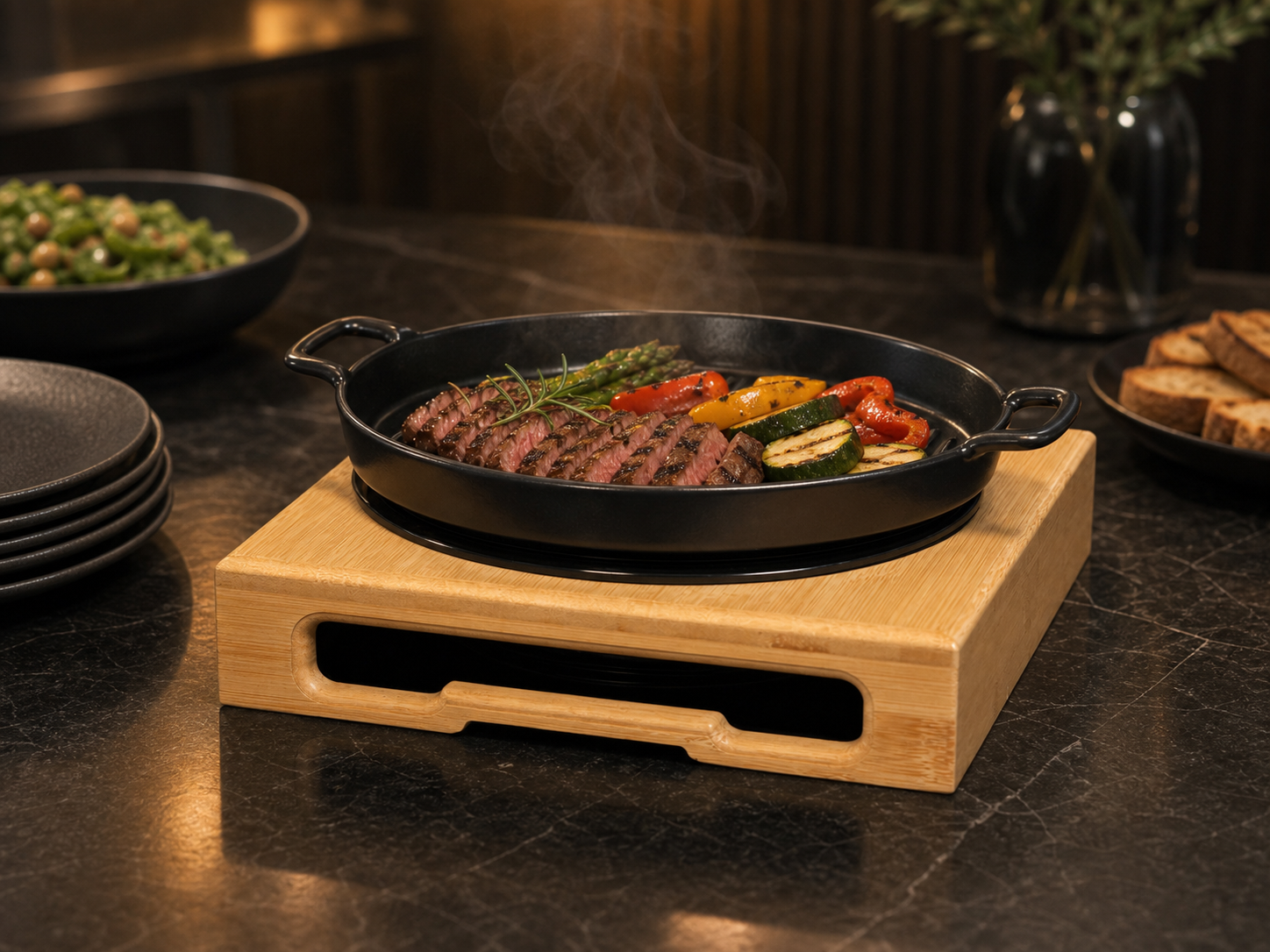
Hotel breakfast
Daily repeat service
Use stations for breakfast counters, compact pans, sauces, beverage moments, and hospitality setups where warmth repeats every day.
Banquets and meeting rooms
Warm support for planned events
Support private events, meeting refreshments, banquet side stations, and planned service where presentation matters.
Lounges and private rooms
Polished hospitality moments
Use warm stations where the setup should feel cared for, compact, and intentional rather than improvised.
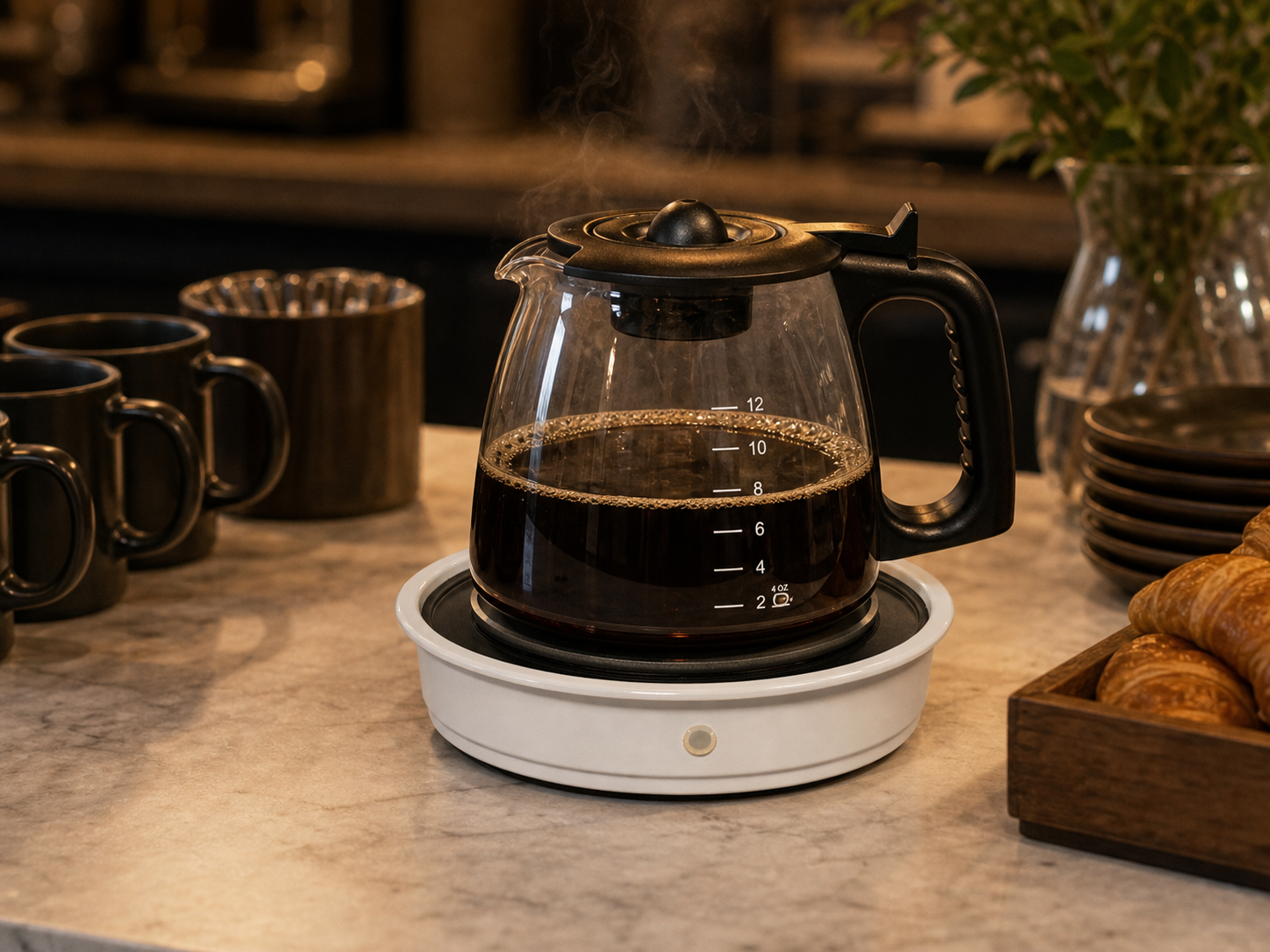
4. Cafes, beverage service, and tasting rooms
Keep drinks and small service moments warm without crowding the counter.
This is a strong experience fit when guests linger: sit-down cafes, specialty coffee service, tea rooms, sake service, tasting rooms, wine bars, listening bars, and beverage-focused small-plate concepts.
Drive-through or quick-service coffee is not the main target. Insta Hot Plate is stronger when warmth and presentation are part of why the guest stays.
5. Future consumer direction
Home entertaining is real, but it is not the current commercial lead.
Home entertaining, game-night snacks, tea, coffee, dessert, chocolate, fondue-style moments, and patio use may fit a future consumer or Kickstarter path. For the current public product website, the strongest story is commercial service: catering, restaurants, hotels, and hospitality buyers who may need multiple stations.
First station plan
Test one real service moment before scaling.
- Choose the service moment: pick one dish, drink, station, or table experience that loses appeal when it cools.
- Use the real serving piece: test the pan, dish, bowl, pot, or frame setup you would use with guests.
- Watch the workflow: compare guest experience and staff handling with and without cords, flame, or fuel.
- Plan the rollout: decide how many plates, frames, chargers, or backup rotations would matter if the first station works.
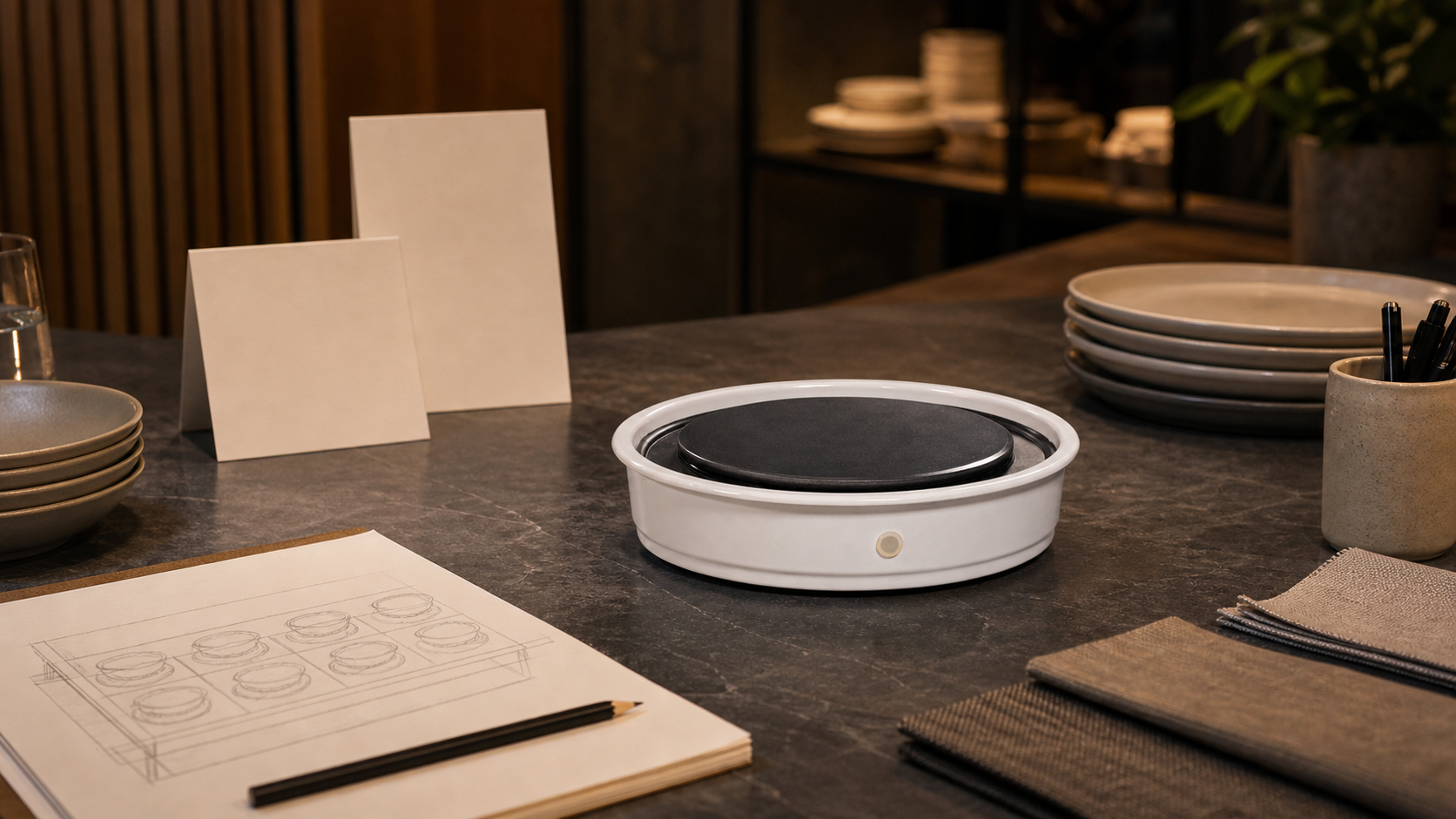
Tell TAIBAI what you serve and where warmth is being lost.
Useful details include customer type, dish or drink, serving piece, service location, target warm-service time, station count, country/state, and whether you need 8-inch units, frames, a larger model, or a custom Thermal Battery discussion.